
 About the program
 For educators
 For parents/carers
 About us
 Find a local kindy
 Find a local clinic


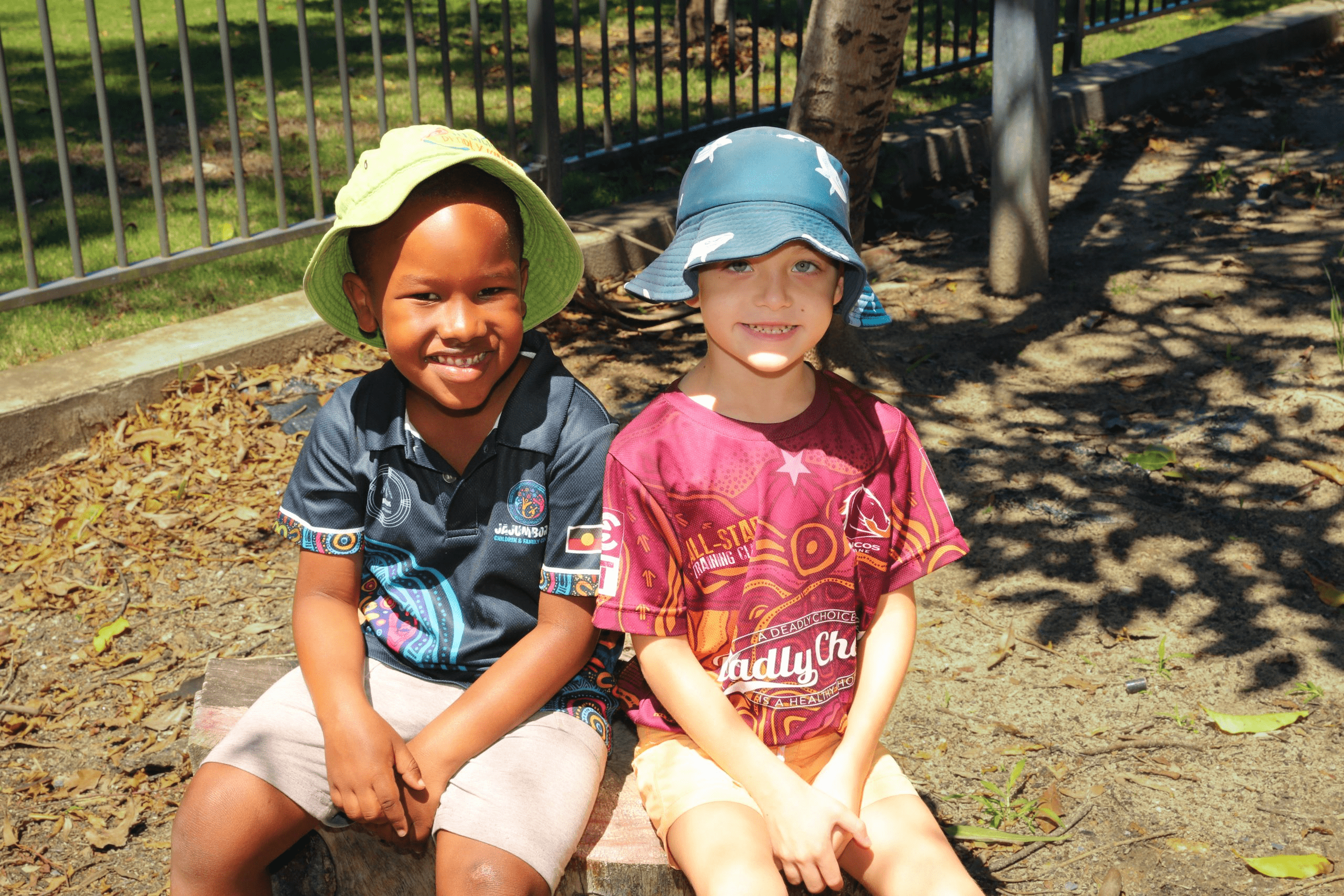

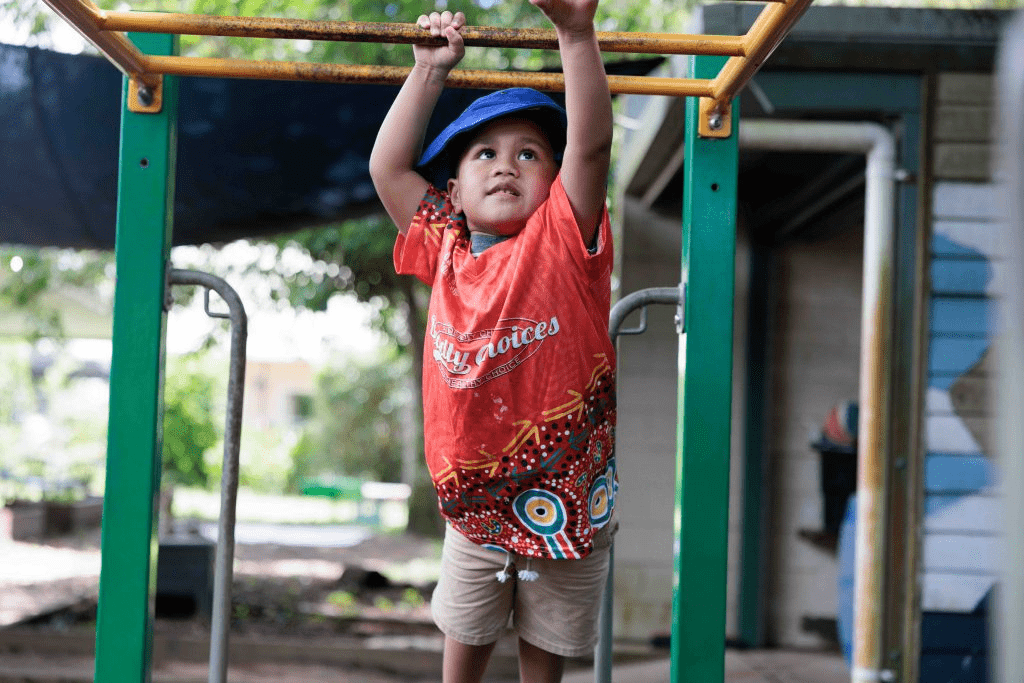
Play-based learning is a fundamental approach to early childhood education that fosters a child’s natural curiosity and love for discovery. It provides an enjoyable way for kindy kids to engage with the world around them while developing critical cognitive, social, and emotional skills.
Fostering Cognitive Development
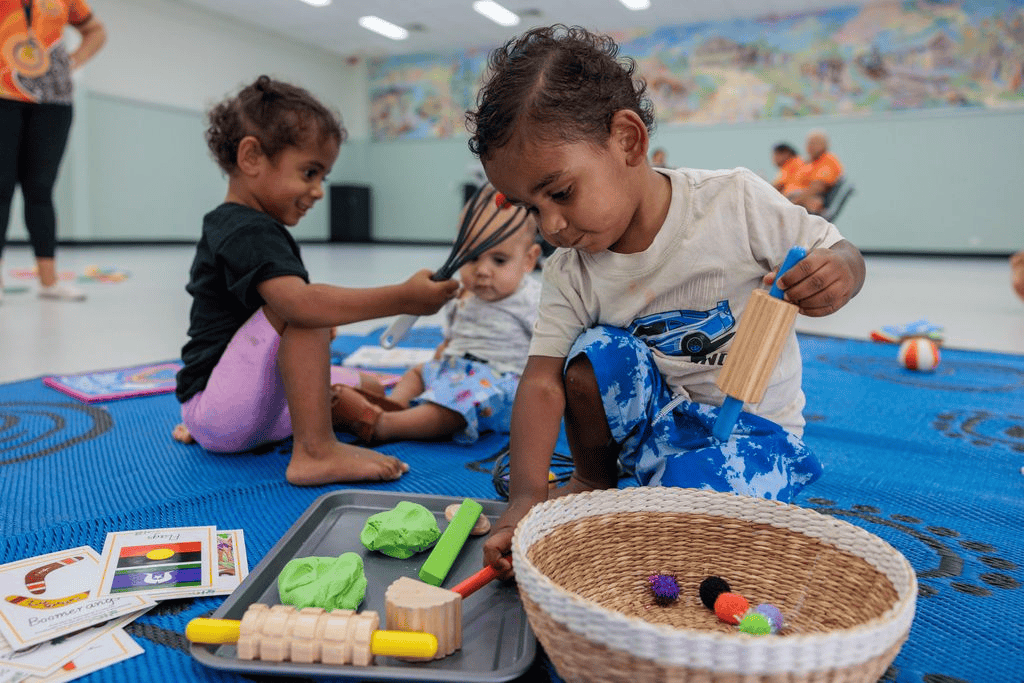
Through play, children experiment, solve problems, and develop creativity. Whether they’re building with blocks, solving puzzles, or engaging in imaginative play, they’re learning how to think critically and approach challenges from different perspectives.
“Through play, children discover not only the world around them but also the endless possibilities within themselves.”
– Sarah, Queensland Teacher
This hands-on exploration helps children grasp new concepts more effectively, making complex ideas, like numbers and letters, easier to understand.
Building Social and Emotional Skills
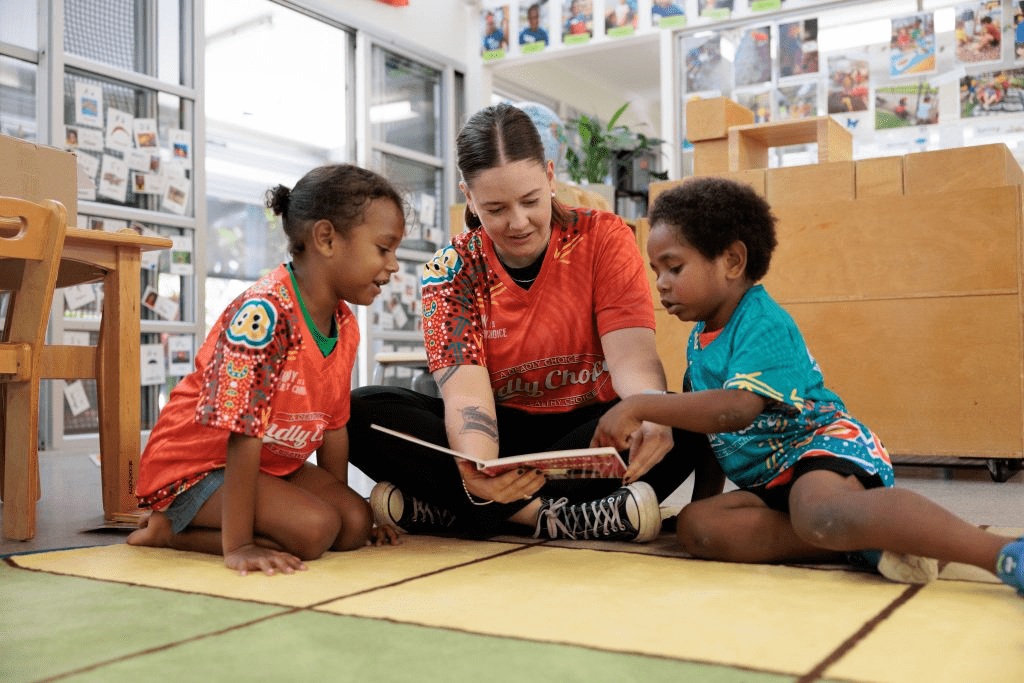
Play-based learning also encourages social interaction, which is vital at this stage. Children learn to share, cooperate, and communicate with others, helping them build friendships and develop empathy. These interactions promote emotional growth, allowing kids to express themselves and manage their feelings in a supportive environment.
Encouraging a Lifelong Love of Learning
Perhaps one of the most important benefits of play-based learning is that it makes learning fun. When children enjoy what they’re doing, they’re more likely to engage and retain information. This positive experience with education lays the groundwork for a lifelong love of learning, giving kindy kids a strong start in their schooling journey.